
Driving your career through curiosity
Dr Marta Milo is a computational biologist who has recently transitioned from a lectureship to an industry position at AstraZeneca. Her enthusiasm for learning, her curiosity and her desire to make the most of her skills have been the driving forces for her research career.
Collaborating away from the big egos
Dr Katharina Jähn-Rickert, is a principal investigator at the Department of Osteology and Biomechanics at the University Medical Center Hamburg. Not many people can say that they have had one of their experiments taken into space. Well Katharina has had this priviledge!
Following your instincts
Dr Curtis Asante is Associate Director of Members' Programmes at the Microbiology Society. He holds a PhD in neuropharmacology. His leadership has been built in part through taking the opportunity of becoming the co-chair of the Race Equality and Equity network at Cancer Research UK.
Being kind in your research life
Dr Doris Tran is an engineer working in the biomedical field. Doris works at Scanco Medical as a product manager and is at the forefront of interacting with academics, not as collaborators anymore but as clients for the devices sold by her company. She dares talk about “kindness”.
Shifting to new research roads
Dr Nicolas Bonnet is a specialist of the interactions between osteoporosis, diabetes and obesity. After more than a decade of working in academia, he has recently taken the challenge of shifting his research career to an industrial setting. He shares some important learnings from his research life.
Hunting for treasures
Dr Amy Lam is an intellectual property and commercialisation specialist for medical and life sciences, who made the leap from working as a neuroscience researcher. She has now extensive experience in her field. She reflects on the past, the choices she made and her transition into IP.
Communicating your research stories
Dr Robin Morton works as science communication manager at the University of Edinburgh at the Centre for Regenerative Medicine in the Institute for Regeneration and Repair. Part of his role is about supporting research leaders/ researchers identify their own path into becoming excellent research story tellers.
Approaching grant writing with confidence
Prof. Marysia Placzek is a Wellcome Trust Investigator and Professor of Developmental Neurobiology in the Department of Biomedical Science at The University of Sheffield. What a pleasure to interview Marysia as she was my very own PI when I started working as a Postdoc a great many years ago. I ask her lots of questions about grant writing.
Leading teams into their own power
Prof. Ralph Müller is Professor of Biomechanics at ETH Zurich. He has built many successful research teams. He shares his leadership approach as a research leader and how his 1st fellow experience shaped his approach.
Pacing the expansion of your research group
Dr Saida Caballero-Nieves, Assistant Professor in Aerospace, Physics and Space Sciences at Florida Tech in the US shares her experience of transitioning into her lectureship position. She describes how she is building her research group with the mental wellbeing of her researchers as a core principle.
Making choices that work for you
Dr Jill Shepherd is a stem cell scientist who lectures at the University of Kent. She has worked in Australia as a Postdoc but also in science policy development at the Human Tissue Authority. One of her principles in guiding her professional life has been to make choices that work for her.
Challenging organisational practices
Julianna Kayaga Sseremba is an organisational psychologist working as a consultant and is also a Founding Partner at Strategic Engagement Limited. She shares with her us some of her experiences working with businesses where she is tackling organisational practices that may hinder the participation of women.
Reshaping researcher development in Uganda
When Loice Natukunda decided to start a PhD at The University of Sheffield, she probably did not know that a few years down the line, her ambition would be to revolutionise researcher development in Uganda. Hear Loice’s journey in this podcast.
From Law to Lecturing
Hadijah Yahyah is an Ugandan expert in Environmental & Natural Resources Law. She is part of a new breed of interdisciplinary law professionals with an interest in ecological issues.
Becoming a research group leader
Professor Martina Rauner is the Scientific Director of Bone Lab working with a large team of PhD students, Postdocs, technicians and clinicians. She is part of the Fidelio ITN network. In this episode she shares her experience of being a research group leader.
Moving into research commercialisation
Dr Toby Gould is an innovation and commercialisation expert with a background in tissue engineering, who is now working for Horizon Discovery. He started his research career working with stem cells during his PhD with the EPSRC Regenerative Medicine Doctoral Training Centre at the University of Nottingham.
Working well with funding experts in your institution
Rachel Dwyer, Head of Faculty Research Support for Medicine, Dentistry and Health in Research Services at The University of Sheffield, shares her insights as a research funding expert. She knows that universities are complex institutions and that figuring out who is there to help you in navigating the research funding landscape can feel like exploring a labyrinth.
From community work to enhanced impact through research and teaching
Assimwe JoyTu shares her journey into doctoral research. Initially working in the community developing projects that address children poverty, she then started her lecturing career teaching project planning and management.
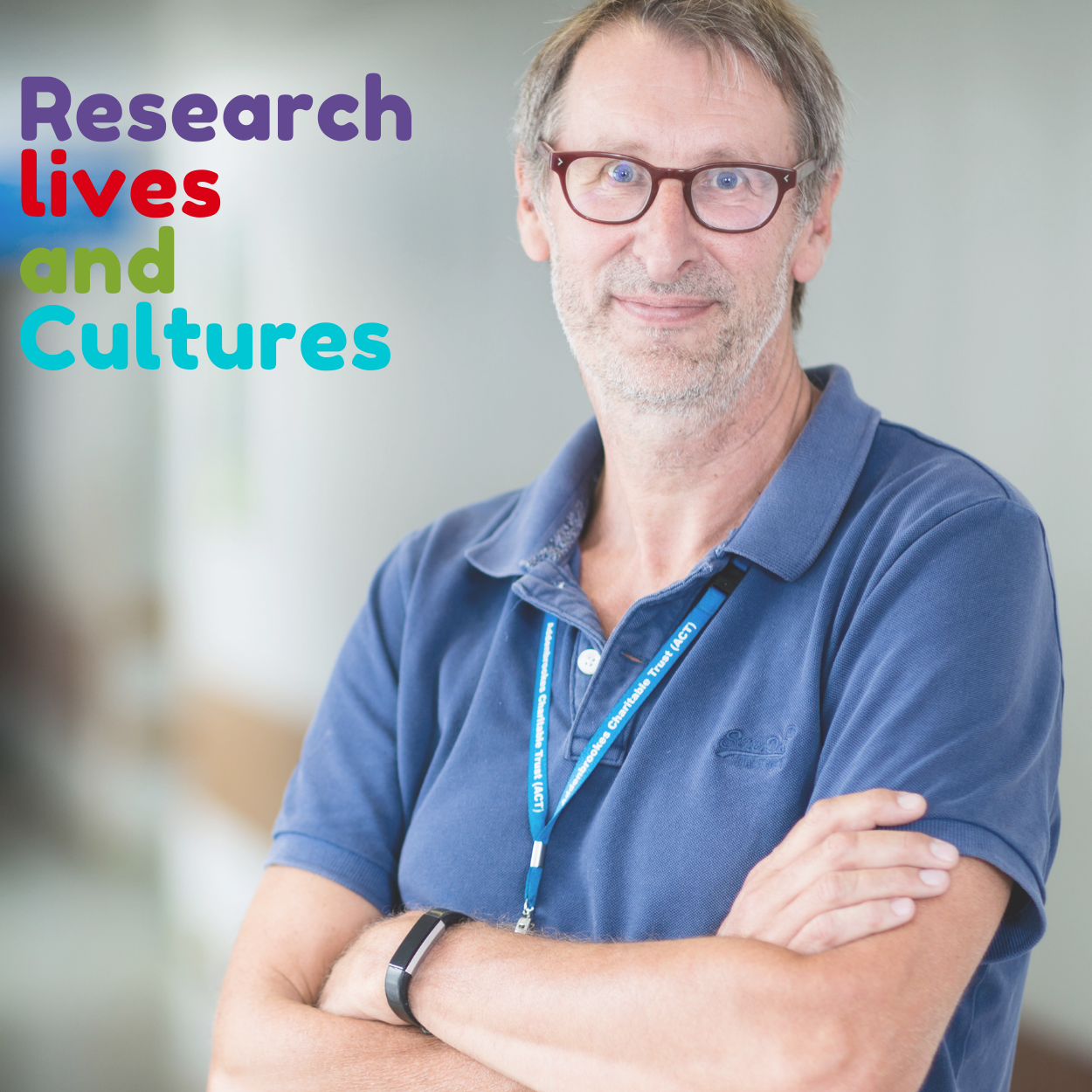
On writing for research funding
Prof. Roger Barker shares his approach to seeking research funding and what he has learned over the years as a reviewer of research grant and fellowships applications.
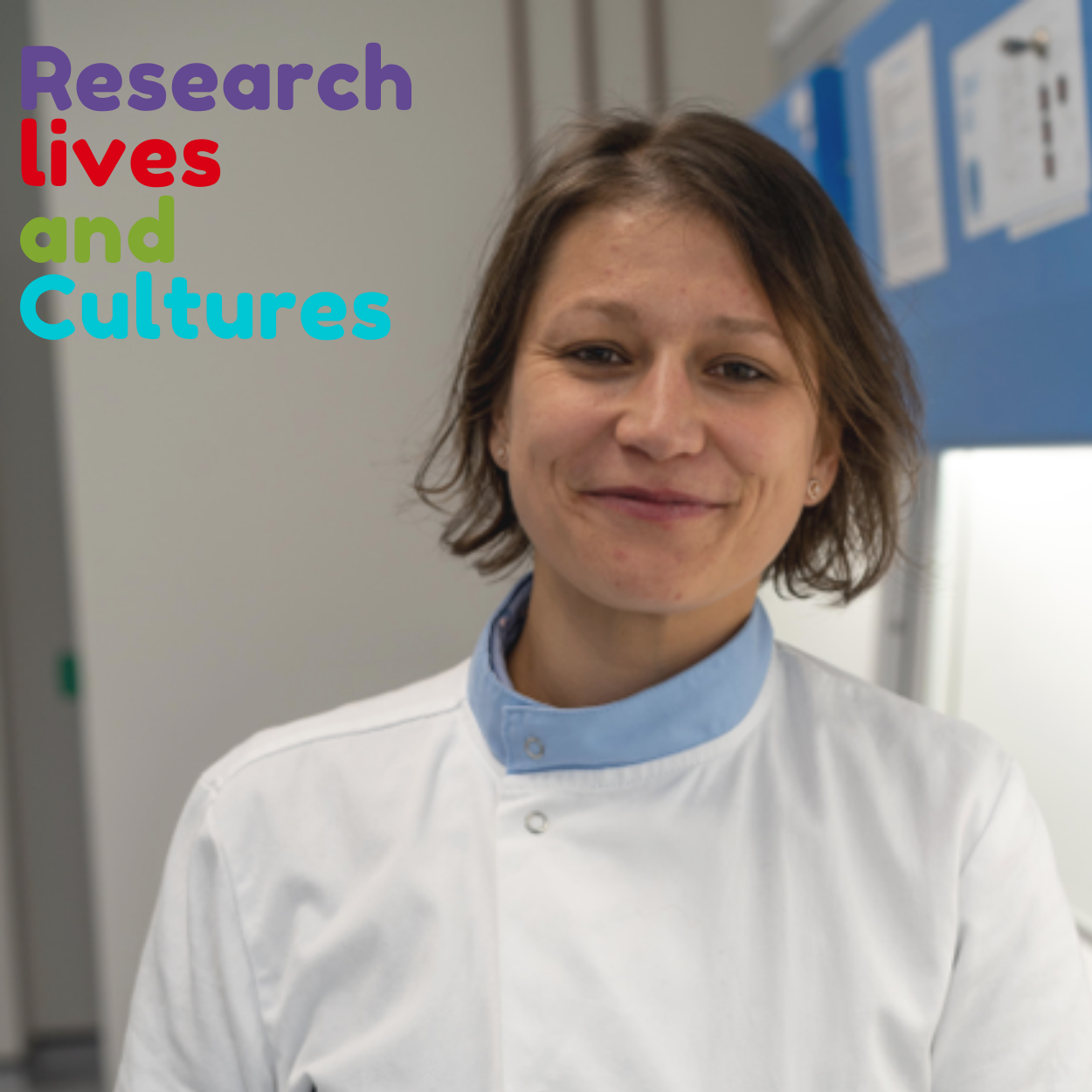
Daring and taking opportunities
Dr Yvonne Reinwald is a senior Lecturer in Biomedical Engineering at Nottingham Trent University in the UK. In this podcast we talk about how she has navigated her research career.